
Doxycycline safe for kittens
2026-02-10Protect your precious kittens with Doxycycline!
Doxycycline is a safe and effective antibiotic for treating a variety of infections in kittens. Keep your furry friends healthy and happy with Doxycycline!
Doxycycline Usage in Kittens: Key Information
Do you have a little feline friend in need of medical care? Understanding how to use doxycycline in kittens can be crucial for their health and well-being. Here are some key points you need to know:
| 1. Dosage: | Doxycycline dosage for kittens varies based on their weight and the condition being treated. Consult your veterinarian for the correct dosage. |
| 2. Administration: | Doxycycline can be administered orally to kittens. It's important to follow the vet's instructions on how to give the medication. |
| 3. Duration of Treatment: | The duration of doxycycline treatment in kittens will depend on the condition being treated. Follow the vet's guidelines for the full course of treatment. |
| 4. Interactions: | Ensure that your kitten is not taking any other medications that may interact with doxycycline. Inform your vet about all medications your kitten is currently taking. |
| 5. Side Effects: | Monitor your kitten for any potential side effects while on doxycycline treatment. Contact your vet if you notice any concerning symptoms. |
By understanding how to use doxycycline in kittens, you can help ensure the effective and safe treatment of your beloved pet.
Benefits of Doxycycline Treatment
Doxycycline is a broad-spectrum antibiotic that is commonly used to treat bacterial infections in kittens. It works by stopping the growth of bacteria, which helps to control the infection and reduce symptoms. Some of the benefits of using doxycycline for kittens include:
1. Effective Against Common Infections:
Doxycycline is effective against a wide range of bacterial infections that commonly affect kittens, such as respiratory infections, urinary tract infections, and skin infections.
2. Easy to Administer:
Doxycycline is available in liquid or tablet form, making it easy to administer to kittens. The liquid form can be mixed with food or water for easier dosing.
Overall, doxycycline is a safe and effective treatment option for bacterial infections in kittens, providing quick relief and helping them recover faster.
Benefits of Doxycycline Treatment
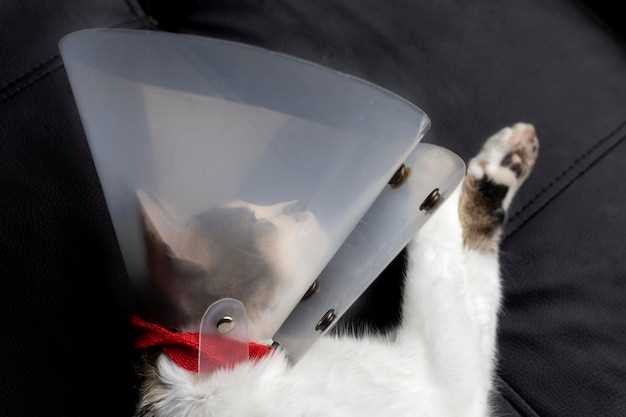
When it comes to treating kittens with certain bacterial infections, doxycycline can be a highly effective option. Here are some key benefits of using doxycycline for kittens:
- Effective Against Bacterial Infections: Doxycycline is known for its ability to fight a wide range of bacterial infections in kittens, making it a versatile treatment option.
- Safe for Kittens: When prescribed by a veterinarian and administered correctly, doxycycline is generally safe for kittens and can help them recover from infections.
- Easy to Administer: Doxycycline can be given to kittens in various forms, such as liquid medication or flavored tablets, making it easier for pet owners to ensure their kittens receive the necessary treatment.
- Fast-Acting: Doxycycline typically starts working quickly to combat bacterial infections, providing relief to kittens and helping them recover faster.
Potential Side Effects to Watch For
When administering doxycycline to kittens, it is important to be aware of potential side effects that may occur. While doxycycline is generally safe and well-tolerated in kittens, some common side effects to watch for include:
- Diarrhea: Some kittens may develop diarrhea as a side effect of doxycycline treatment. This is usually mild and resolves on its own, but if it persists or worsens, consult your veterinarian.
- Vomiting: Vomiting can also occur in some kittens receiving doxycycline. If your kitten vomits after receiving a dose of doxycycline, contact your veterinarian for further guidance.
- Loss of Appetite: Some kittens may experience a temporary loss of appetite while taking doxycycline. Monitor your kitten's food intake and consult your veterinarian if appetite loss persists.
Less Common Side Effects:
- Allergic Reactions: In rare cases, kittens may have an allergic reaction to doxycycline, which can manifest as hives, swelling, or difficulty breathing. Seek immediate veterinary care if you suspect an allergic reaction.
- Sensitivity to Sunlight: Doxycycline can make kittens more sensitive to sunlight, leading to sunburn or skin irritation. Limit your kitten's exposure to direct sunlight while on this medication.
- Tooth Discoloration: Prolonged use of doxycycline in young kittens may cause tooth discoloration, especially if given while the teeth are still developing. Discuss this risk with your veterinarian before starting treatment.
If you notice any of these side effects or any other unusual symptoms in your kitten while on doxycycline, contact your veterinarian for advice and guidance.
Potential Side Effects to Watch For
When using doxycycline for kittens, it is important to be aware of potential side effects that may arise. While most kittens tolerate the medication well, some may experience adverse reactions. Common side effects include:
1. Gastrointestinal Disturbances
Kittens may experience diarrhea, vomiting, or appetite loss while on doxycycline treatment. Make sure to monitor their food intake and bowel movements to detect any changes.
2. Allergic Reactions
In some cases, kittens may develop an allergic reaction to doxycycline, presenting as itching, hives, swelling, or difficulty breathing. If you notice any of these symptoms, seek immediate veterinary care.
It is essential to consult with your veterinarian before starting doxycycline treatment for your kitten and to closely monitor them for any signs of side effects. If your kitten exhibits any unusual symptoms or behaviors while on doxycycline, contact your veterinarian promptly.
Precautions When Using Doxycycline
Before using doxycycline for kittens, it is important to take certain precautions to ensure the safety and efficacy of the treatment.
| 1. Consult a Veterinarian: | Always consult with a veterinarian before administering doxycycline to kittens. A professional will assess the kitten's condition and determine the appropriate dosage and duration of treatment. |
| 2. Follow Dosage Instructions: | Strictly follow the dosage instructions provided by the veterinarian. Do not exceed or skip doses, as it can lead to treatment failure or adverse effects. |
| 3. Monitor for Side Effects: | Keep an eye out for any potential side effects such as diarrhea, vomiting, or allergic reactions. If any adverse reactions occur, contact the veterinarian immediately. |
| 4. Complete the Treatment Course: | Ensure that the kitten completes the full course of doxycycline treatment as prescribed by the veterinarian. Stopping the medication prematurely can result in the reemergence of the infection. |
| 5. Store Properly: | Store doxycycline medication in a cool, dry place away from direct sunlight and out of reach of children and pets. Follow the storage instructions on the medicine label. |
By taking these precautions, you can ensure the safe and effective use of doxycycline for treating kittens.